
Reversing a commercial truck is more challenging than reversing an ordinary passenger vehicle. Large vehicle dimensions, limited rear visibility, extended blind spots, and changing working environments can make even a short reversing maneuver risky. In logistics yards, warehouses, construction sites, mining areas, and busy urban streets, drivers must constantly watch for pedestrians, vehicles, loading equipment, and other obstacles.
A reliable Truck Reverse Camera System helps address these challenges by providing drivers with a clearer view of the area behind their vehicles. With cameras and in-cab monitors working together, drivers can observe areas that may not be visible through traditional mirrors. Depending on the configuration, a truck camera system can also support multiple camera views, night vision, video recording, and intelligent warning functions.
For fleet operators, choosing the right Truck Reverse Camera System is not simply about adding a camera to a vehicle. It is about improving operational safety, supporting incident investigation, and making vehicle management more effective.
MCY Technology provides vehicle camera and monitoring solutions for commercial vehicles, including trucks, buses, logistics vehicles, construction equipment, and other special-purpose vehicles. This article explains how truck reversing cameras work, what features matter when selecting a system, and how an integrated camera solution can support different fleet applications.
Why a Truck Reverse Camera System Is Important
Commercial trucks often operate in environments where visibility is restricted. A fully loaded truck may have a different rear profile from an empty one, while trailers, cargo, vehicle structures, and surrounding equipment can further limit the driver’s view.
Traditional mirrors remain useful, but they cannot always show every area behind or around a large vehicle. A Truck Reverse Camera System provides an additional visual reference, helping drivers make more informed decisions before and during reversing.
Reduce Rear Blind Spots
Rear blind spots are a major concern for trucks, especially when reversing toward loading docks, warehouse doors, parked vehicles, or pedestrian areas. Drivers may not be able to see low obstacles or people standing close to the rear of the vehicle.
A reversing camera installed at the back of the truck transmits images to a monitor inside the cab. This allows the driver to check the rear area without relying entirely on mirrors.
For vehicles that require wider coverage, additional cameras can be installed on the sides or other positions. A multi-camera configuration can help drivers observe more of the surrounding environment.
Improve Safety During Loading and Unloading
Trucks frequently reverse in distribution centers, factories, ports, and construction sites. These areas may contain workers, forklifts, loading equipment, and other vehicles moving simultaneously.
A Truck Reverse Camera System helps drivers monitor the space behind the vehicle during low-speed maneuvers. Better visibility can support more controlled reversing and reduce the likelihood of contact with nearby obstacles.
However, cameras are driver-assistance tools rather than replacements for safe driving procedures. Drivers should continue checking mirrors, following site rules, and using a trained spotter whenever the operating environment requires one.
Support Nighttime and Low-Light Operations
Many logistics and transportation fleets operate early in the morning, late at night, or inside poorly lit facilities. In these conditions, rear visibility can become more difficult.
A reversing camera with infrared night vision can provide additional visual assistance when ambient light is limited. For example, MCY’s MRV1D rearview camera is listed with infrared night vision and an IP69K waterproof rating on its product page.
Learn more about the MCY IP69K Rearview Camera.
How a Truck Reverse Camera System Works
A typical Truck Reverse Camera System consists of one or more cameras, an in-cab display, connecting cables or a wireless transmission setup, and a power supply. Some systems can also connect to a mobile digital video recorder (MDVR) for video storage and fleet monitoring.
The basic operating process is straightforward:
- A rear-mounted camera captures the area behind the truck.
- The camera transmits video to a monitor installed inside the cab.
- The driver views the displayed image while reversing.
- If the system includes additional cameras, the monitor can display different camera views or multiple views together.
- If recording equipment is included, video footage can be stored for later review.
The exact configuration depends on vehicle type, installation requirements, and the intended application.
Rear Camera and In-Cab Monitor
The rear camera is the main visual component of a basic reversing solution. Its position should provide a useful view of the area immediately behind the truck while taking the vehicle’s structure and operating conditions into account.
The monitor allows drivers to view camera images from their normal driving position. Screen size, display layout, image compatibility, and mounting position should all be considered during system selection.
Multi-Camera Monitoring
Some trucks need more than a rear camera. Long vehicles, heavy-duty trucks, and vehicles operating in confined areas may also benefit from side cameras or front-facing cameras.
A multi-camera Truck Reverse Camera System can help drivers switch between different views or monitor several areas at the same time.
MCY offers a four-channel rearview reversing camera and monitor system with a 10.1-inch display. Its product information describes support for up to four camera inputs and multiple split-screen display modes. This type of configuration can be considered for trucks that need broader visual coverage.
Product details: 4 Channel Rear View Reverse Backup Truck Camera.
Key Features to Consider When Choosing a Truck Reverse Camera System
Not every truck operates in the same environment. A delivery vehicle working in an urban area has different monitoring requirements from a mining truck or a heavy-duty vehicle operating in a large distribution yard.
When selecting a Truck Reverse Camera System, fleet managers, vehicle manufacturers, and importers should evaluate the following features.
1. Camera Image Quality
Clear images help drivers identify obstacles and understand the space behind the vehicle. Camera resolution, image performance, lens selection, and display compatibility all influence the viewing experience.
MCY’s reversing camera product range includes different resolution options, depending on the model. Buyers should confirm the camera and monitor specifications together to ensure that the selected components are compatible.
2. Waterproof and Environmental Protection
Truck cameras are exposed to rain, dust, mud, vibration, and changing temperatures. A camera used on a construction truck may face different environmental conditions from one installed on a city delivery vehicle.
Check the protection rating and operating conditions of the specific camera model before placing an order. For example, MCY’s MRV1D rearview camera product page lists an IP69K waterproof rating. This specification belongs to that listed product and should not be assumed to apply to every camera in the range.
3. Infrared Night Vision
Night vision is particularly useful for vehicles operating in dark yards, poorly lit loading areas, or during nighttime deliveries.
An infrared camera can help provide images when visible light is limited. Buyers should check the night-vision capabilities of the selected model and consider whether the camera’s viewing angle is suitable for the intended mounting position.
4. Monitor Size and Display Layout
The in-cab monitor should be easy for drivers to view without creating unnecessary distractions. A single-camera system may only require one rear image, while a larger truck with several cameras may benefit from a split-screen display.
For example, MCY’s TF103-04AHDQ-S system is listed with a 10.1-inch monitor and support for up to four camera inputs. It is designed for multi-camera monitoring applications.
5. Recording and Evidence Management
A reversing camera provides real-time visual assistance, but recording capabilities can add another layer of value.
When a camera system is connected to a compatible recording device, fleet managers may be able to review footage after an accident, property damage incident, or operational dispute. Video can help clarify what happened and support internal investigation.
For fleets that need more comprehensive recording and monitoring, an MDVR-based solution may be more suitable than a standalone reversing camera.
From Reversing Assistance to Intelligent Truck Safety
A basic reversing camera improves rear visibility. However, some commercial vehicle operations need additional assistance because of pedestrian traffic, complex blind spots, or frequent maneuvering in crowded areas.
An intelligent Truck Reverse Camera System can combine camera images with visual or audible warning functions, depending on the selected product.
AI Pedestrian and Vehicle Detection
In busy logistics yards and industrial facilities, pedestrians and vehicles may enter the truck’s reversing area unexpectedly. A camera system with AI detection can help identify certain nearby road users and provide warnings to the driver.
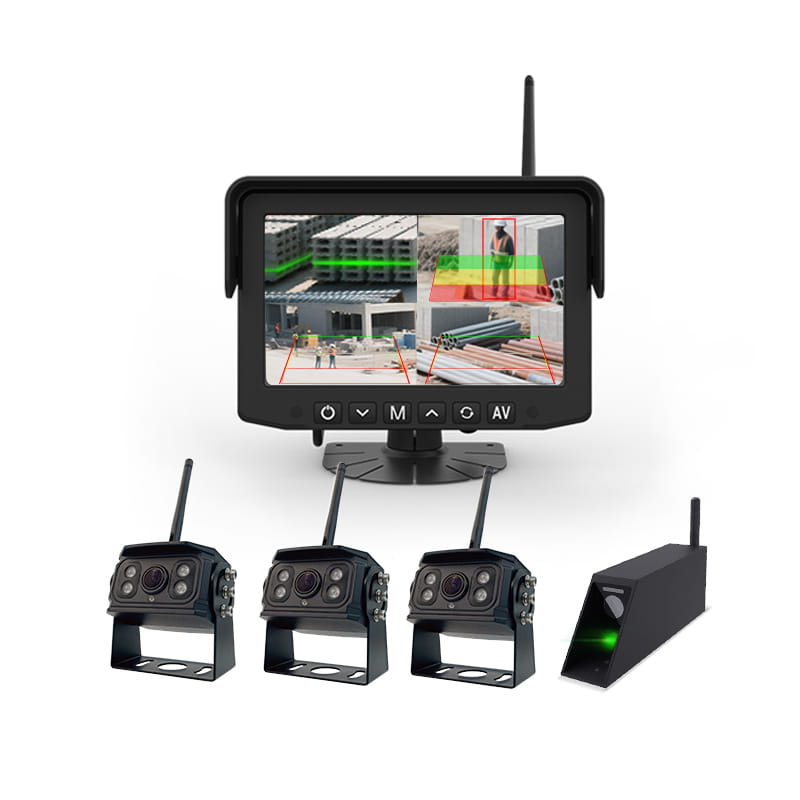
MCY offers a Smart AI Backup Rear View Reversing Camera solution for heavy-duty trucks and buses. Its product page describes a 7-inch HD monitor, visual and audible warnings, adjustable warning distance, and compatibility with AHD monitors and MDVR systems.
The solution is designed for applications including buses, coaches, delivery vehicles, construction trucks, and forklifts.
Explore the Smart AI Backup Rear View Reversing Camera.
AI warning functions should be evaluated according to the detection area, installation position, operating environment, and system configuration. They are designed to assist drivers, not guarantee that every obstacle will be detected.
Integration with Mobile DVR
For commercial fleets, recording and remote monitoring can be as important as real-time visibility.
A Mobile DVR can connect with multiple vehicle cameras and record video for later review. Depending on the system configuration, it may also support GPS tracking, wireless data transmission, and remote video monitoring.
MCY’s logistics transport solution describes an AI MDVR camera system integrating multiple camera views, GPS positioning, driver behavior detection, and remote monitoring functions.
Learn more about the MCY Logistics Transport Solution.
This type of integrated system can help fleet managers review incidents, monitor vehicle operations, and improve internal safety management procedures.
Truck Reverse Camera System Applications Across Different Industries
A Truck Reverse Camera System can serve a wide range of commercial vehicle applications. The appropriate camera arrangement depends on vehicle dimensions, operating conditions, and the visibility challenges of each industry.
Logistics and Delivery Fleets
Delivery trucks often reverse into loading bays, warehouses, retail premises, and distribution centers. These locations may have limited maneuvering space and frequent pedestrian movement.
A rear camera helps drivers check the area behind the vehicle, while additional side cameras can provide wider coverage. When connected to an MDVR, the system can also support video recording for incident review.
Heavy-Duty Trucks and Construction Vehicles
Construction trucks operate around machinery, workers, materials, and uneven terrain. Dust, mud, vibration, and weather exposure can place additional demands on vehicle cameras.
A suitable reversing camera should be selected according to the vehicle’s working environment and mounting requirements. For more complex applications, a multi-camera or AI-assisted system may provide additional visual support.
Mining and Industrial Transportation
Mining sites and industrial facilities often have large vehicles operating in restricted areas. Drivers may need to reverse near loading equipment, storage areas, or other heavy vehicles.
A properly configured camera monitoring system can help improve awareness around the vehicle. Environmental protection, camera positioning, and display visibility should be considered during system planning.
Public Transportation and Special-Purpose Vehicles
Although buses and special-purpose vehicles have different operating requirements from freight trucks, they also face rear visibility challenges during reversing and parking.
MCY’s vehicle monitoring product range includes solutions for buses, coaches, trucks, and other commercial vehicles. Buyers can review the MCY Products section to explore available camera and monitoring options.
Why Consider an Integrated Camera Solution Instead of a Single Camera?
A standalone rear camera may be sufficient for a vehicle with relatively simple monitoring requirements. However, larger fleets may need a more comprehensive approach.
An integrated Truck Reverse Camera System can combine several components according to the vehicle’s actual needs:
- Rear cameras for reversing visibility.
- Side cameras for additional blind-spot coverage.
- In-cab monitors for real-time viewing.
- MDVR equipment for video recording.
- AI detection and warning functions where supported.
- GPS and remote monitoring functions in compatible fleet systems.
The advantage of an integrated solution is that the components can be selected to work together. Fleet operators can plan camera positions, recording requirements, and display functions around their vehicles instead of purchasing unrelated devices.
This is especially useful for fleet owners managing different truck models or vehicle types across multiple operating locations.
How to Select the Right Truck Reverse Camera System for Your Fleet
Before purchasing a Truck Reverse Camera System, buyers should define their requirements clearly. A practical selection process can help avoid compatibility issues and unnecessary equipment.
Consider these questions:
- What type of vehicle will use the system? Identify whether the application involves light commercial trucks, heavy-duty trucks, trailers, or special-purpose vehicles.
- Which areas need monitoring? Decide whether rear visibility is sufficient or whether side and front cameras are also required.
- What are the working conditions? Consider rain, dust, vibration, nighttime operation, and temperature conditions.
- Is video recording necessary? Determine whether the fleet needs incident footage, long-term storage, or remote video access.
- Are intelligent warnings required? Evaluate whether pedestrian or vehicle detection would benefit the operating environment.
- Does the system need customization? Confirm camera positions, cable lengths, monitor layout, power requirements, and integration needs with the supplier.
For vehicle manufacturers, importers, and system integrators, it is also important to confirm product compatibility, installation arrangements, and supply requirements before finalizing an order.
Customized Truck Reverse Camera Systems from MCY Technology
Different trucks have different body structures, electrical configurations, and operating requirements. A standard camera package may not meet every fleet’s needs.
MCY Technology provides vehicle camera and monitoring products for commercial transportation and special vehicles. Its product portfolio includes reversing cameras, monitors, multi-camera systems, mobile DVR equipment, and AI-assisted monitoring solutions.
For customers developing a Truck Reverse Camera System, customization discussions may cover:
- Camera quantity and mounting positions.
- Rear, side, and front monitoring requirements.
- Monitor size and display arrangement.
- Wired or wireless system configurations where available.
- Video recording and MDVR integration.
- AI detection and warning requirements.
- OEM/ODM project needs.
MCY welcomes inquiries from vehicle manufacturers, fleet operators, importers, wholesalers, and system integrators. Sharing the vehicle model, intended application, and required camera functions can help the technical team understand the project and recommend a suitable configuration.
Visit the MCY official website to learn more about its vehicle camera and monitoring solutions.
Frequently Asked Questions About Truck Reverse Camera Systems
1. What is a Truck Reverse Camera System?
A Truck Reverse Camera System is a vehicle monitoring setup that uses a rear-mounted camera and an in-cab display to show the area behind a truck. Depending on the configuration, it may also include multiple cameras, recording equipment, night vision, or intelligent warning functions.
2. Can a truck reverse camera system support multiple cameras?
Yes. Some systems support several camera inputs, allowing drivers to view the rear and other areas around the vehicle. For example, MCY’s TF103-04AHDQ-S system supports up to four camera inputs and multiple split-screen display modes.
3. Are truck reversing cameras suitable for nighttime use?
Some truck reversing cameras include infrared night vision to support low-light operation. Buyers should check the night-vision specifications of the selected model and confirm that the camera is suitable for the intended application.
4. Can a truck reverse camera system record video?
A standalone camera and monitor may only provide real-time viewing. To record footage, the system needs compatible recording equipment, such as a Mobile DVR. The required storage and monitoring functions should be confirmed before purchase.
5. Can a truck reverse camera system detect pedestrians?
Some AI-assisted camera systems provide pedestrian or vehicle detection with visual and audible warnings. Detection functions vary by model and installation. They should be treated as driver-assistance features rather than a substitute for direct observation and safe reversing procedures.
6. Does MCY provide customized truck camera solutions?
MCY welcomes OEM/ODM projects and offers different vehicle camera and monitoring products. Customers can discuss camera quantity, installation positions, monitor configurations, recording requirements, and other project needs with the MCY team.
Conclusion: Improve Fleet Visibility with the Right Truck Reverse Camera System
Reversing a large commercial vehicle requires more than careful driving. Restricted rear visibility, blind spots, busy loading areas, and changing working conditions can all increase operational risks.
A properly selected Truck Reverse Camera System gives drivers an additional view of the area behind the vehicle. Depending on the application, multi-camera monitoring, infrared night vision, AI-assisted warnings, and MDVR recording can provide further support for vehicle safety and fleet management.
For logistics operators, truck manufacturers, engineering contractors, importers, and system integrators, the key is to choose a system that matches the vehicle structure and real operating environment.
MCY Technology offers a range of vehicle cameras, monitors, reversing systems, and integrated monitoring solutions for commercial vehicles. If you are looking for a truck reversing camera solution or planning an OEM/ODM project, contact MCY to discuss your requirements.
Contact MCY Technology
- Website: https://www.mcytech.com/
- Email: sales@mcytech.com
- Tel: +86-760-86638369
Share your vehicle type, application scenario, and monitoring requirements with MCY to explore a suitable camera system for your fleet.
Post time: Nov-06-2026