
The operational demands placed on commercial vehicle fleets have never been higher. Whether managing a municipal bus network, a long-haul logistics operation, a school district’s student transport, or a fleet of industrial site vehicles, the need for reliable visual oversight is no longer a luxury—it is a fundamental requirement for safety, liability management, and operational efficiency. MCY Technology has spent over a decade engineering vehicle camera systems that address these exact pressures, combining AI-driven safety intelligence with robust hardware designed for the realities of the road and the worksite.
This article explores how MCY’s vehicle camera portfolio—from AI MDVR systems to electronic mirror replacements and blind-spot detection cameras—serves the distinct needs of public transport, logistics, school bus operators, RV rental companies, industrial fleets, and the wholesale and integration partners who serve them.
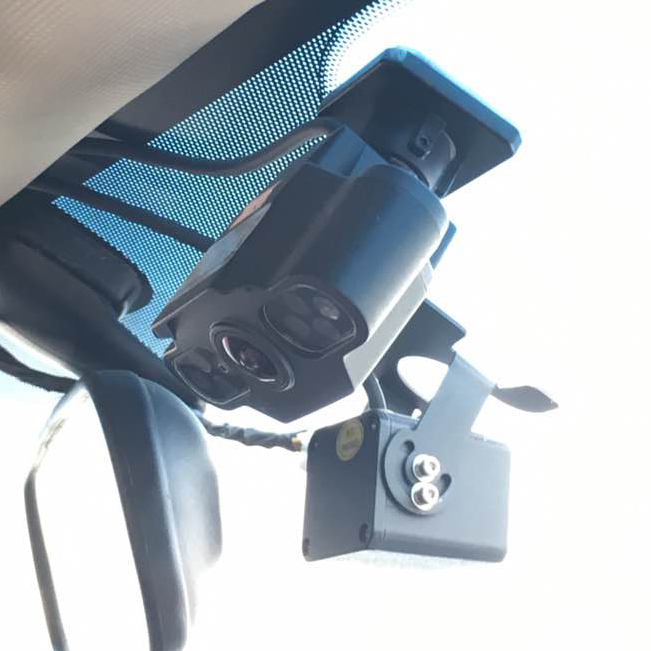
Understanding the Core Value of Vehicle Camera Systems for Fleets
A vehicle camera system is often misunderstood as a simple recording device. In practice, a well-engineered system serves three interconnected functions: collision avoidance, post-incident evidence, and fleet-wide risk reduction. For fleet managers, the distinction matters. A camera that only records after an event is a passive tool. A camera system that actively warns the driver before an incident occurs is an operational asset.
MCY Technology’s approach reflects this distinction. The company’s AI MDVR camera systems integrate advanced driver assistance systems (ADAS), driver status monitoring (DSM), and blind-spot detection (BSD) into a single platform . This means the system does not merely document a collision—it intervenes with warnings when a driver is distracted, a pedestrian steps into a blind zone, or a vehicle drifts from its lane.
For industries where a single accident can result in significant liability exposure, regulatory scrutiny, or reputational damage, this proactive layer of protection is essential. School bus operators, for instance, face unique risks when children are near the vehicle during boarding and alighting. Public transit agencies must manage driver fatigue across long shifts. Logistics companies need visibility into whether their drivers are complying with safety protocols on unfamiliar routes. MCY’s vehicle camera systems are engineered to address these sector-specific challenges.
How MCY Addresses Fleet Safety Through AI-Powered Driver Assistance
Fleet safety begins with the driver, but even the most experienced operator cannot see everything at once. A-pillar blind spots, rear blind zones on large vehicles, and the cognitive load of navigating congested urban environments create unavoidable gaps in human attention. MCY’s AI vehicle camera technology is designed to fill those gaps without overwhelming the driver with unnecessary alerts.
ADAS and DSM: Addressing the Driver and the Environment
MCY’s AI MDVR systems incorporate ADAS functionality that monitors the road ahead for potential collision risks, while DSM technology focuses inward on the driver. The DSM camera analyzes facial features and head position to detect signs of distraction, fatigue, smoking, or phone use, issuing alerts when dangerous behaviors are identified . For logistics and public transit operators, this dual focus is critical. A driver who is physically present but cognitively disengaged is a liability. MCY’s vehicle camera systems provide the real-time feedback needed to correct behavior before it leads to an incident.
Blind-Spot and Turning Assistance for Large Vehicles
The A-pillar blind spot is a persistent hazard for bus drivers, truck operators, and anyone navigating a vehicle with a large turning radius. MCY’s AI Turning Assist Camera addresses this directly, using a side-mounted camera with deep learning algorithms to detect pedestrians and cyclists in the A-pillar’s obscured zone. When a person is detected, the system provides both visual and audible warnings to the driver, allowing for timely intervention . For school bus operators, this technology is particularly relevant during student loading and unloading, when children may move unpredictably near the vehicle.
For rear visibility, MCY offers AI backup camera systems that detect pedestrians in the rear blind spot and highlight the hazard with a red frame on the in-cab monitor, accompanied by an audible alert . In industrial yards, mining sites, and agricultural operations, where vehicles often reverse in areas with foot traffic or obscured obstacles, this capability transforms a routine maneuver into a safer, more controlled action.
Electronic Side Mirror Systems: Visibility Without Obstruction
MCY’s E-Side Mirror® system replaces the traditional physical rearview mirror with a 12.3-inch digital display fed by dual-lens cameras mounted on the vehicle’s sides . Beyond the aerodynamic and aesthetic benefits, the system offers practical safety advantages: improved visibility in poor weather, reduced glare, and the ability to maintain clear sightlines even when the vehicle is fully loaded. For coach builders and vehicle modification specialists, the E-Side Mirror system represents a modern alternative to conventional mirror assemblies that can be integrated into new vehicle designs or retrofitted to existing fleets.
Evidence and Accountability: The Role of Recording and Data in Dispute Resolution
Safety incidents are not always preventable. When they occur, the difference between a manageable insurance claim and a protracted legal dispute often comes down to evidence. MCY’s vehicle camera systems are built with this reality in mind.
The MDVR platform supports multiple recording formats, including 720P, 1080P, D1, and CIF, and captures vehicle tracking information alongside video data . This combination of visual and telematics data provides a comprehensive record of what happened, where, and when. For taxi operators and ride-hailing fleets, where passenger disputes and accident fault determinations are routine concerns, this evidentiary capability is invaluable.
The modular design of MCY’s systems also supports wireless data uploads, allowing fleet managers to access footage remotely without physically retrieving storage media from the vehicle . For a logistics company operating across a wide geographic area, or a public transit agency with hundreds of vehicles in service, remote access to video evidence streamlines claims processing and reduces downtime.
Importantly, the value of evidence extends beyond dispute resolution. Footage from vehicle camera systems can be used for driver training, allowing safety managers to review real-world scenarios and coach drivers on hazard perception and decision-making. This dual use—protection and improvement—maximizes the return on a fleet’s investment in camera technology.
Customization for Diverse Vehicle Platforms and Operational Contexts
No two fleets are identical. A city bus has different visibility challenges than a long-haul tractor-trailer. A school bus requires different alert priorities than a mining haul truck. A recreational vehicle rental fleet has different durability requirements than a taxi operating on paved urban roads. MCY Technology recognizes this diversity and structures its product offerings and manufacturing capabilities accordingly.
OEM and ODM Services for Vehicle Manufacturers and Integrators
MCY operates a 3,000-square-meter factory in Zhongshan, China, with five production lines and a monthly capacity exceeding 30,000 units . More significantly for vehicle manufacturers, coach builders, and system integrators, the company offers OEM and ODM services, allowing partners to adapt camera systems to specific vehicle platforms, branding requirements, and functional specifications . This capability is particularly relevant for bus manufacturers integrating camera systems at the point of assembly, or for aftermarket distributors seeking product configurations tailored to their regional markets.
The company’s engineering team includes more than 20 engineers with over a decade of experience in the automotive electronics industry, and the factory maintains IATF16949 certification alongside CE, FCC, ROHS, ECE R10, ECE R118, and ECE R46 compliance . For importers and wholesalers serving markets with strict regulatory requirements, these certifications reduce friction in the importation and sale of vehicle camera products.
Adapting to Harsh Environments: Industrial, Mining, and Agricultural Applications
Vehicles operating in industrial yards, mining sites, and agricultural fields face conditions that would quickly degrade consumer-grade electronics. Dust, vibration, temperature extremes, and wash-down procedures are routine. MCY’s camera systems are designed with IP67, IP68, and IP69K waterproof ratings on select products, and the heavy-duty truck backup camera systems support a wide voltage range of DC 9-36V and operating temperatures from -20°C to +70°C . These specifications are not marketing embellishments—they reflect the engineering required to maintain reliable performance in environments where equipment failure can halt operations or compromise safety.
For agricultural machinery operators, the ability to see behind a large harvester or tractor during field maneuvers is a safety and efficiency concern. For mining operations, where vehicle-to-vehicle and vehicle-to-person collisions are a persistent risk, the combination of rear-view cameras, blind-spot detection, and in-cab alerts provides a layered safety net. MCY’s vehicle camera portfolio can be configured to meet these varied demands without requiring a completely bespoke engineering project for each application.
Choosing the Right Vehicle Camera System: A Practical Framework
For fleet managers and procurement teams evaluating vehicle camera options, the decision-making process can be simplified by focusing on three questions:
What safety outcomes matter most?
If driver fatigue and distraction are the primary concerns, DSM and ADAS features should be prioritized. If blind-spot collisions during turns are the recurring incident type, turning assistance and side-view cameras are the appropriate focus. For mixed fleets, a modular MDVR system that supports multiple camera inputs allows for a tailored configuration per vehicle type.
What evidence requirements exist?
Regulatory environments vary. Some jurisdictions require continuous recording; others require event-triggered clips. Some insurance providers offer premium reductions for fleets with documented camera systems. Understanding these requirements before selecting a system ensures that the chosen configuration meets both operational and compliance needs.
What is the installation and maintenance footprint?
Wireless camera systems reduce wiring complexity, which can be advantageous for retrofits to existing vehicles. Systems with modular designs and standardized connectors simplify maintenance and reduce vehicle downtime. For fleets that operate across multiple depots, remote diagnostics and wireless data access can significantly reduce the burden on maintenance teams.
MCY’s product range—including wireless backup cameras, AI MDVR systems, E-Side Mirror systems, and turning assist cameras—is structured to address these questions across a wide spectrum of vehicle types and operational contexts . The company’s contact page provides direct access to its team for configuration discussions and OEM/ODM inquiries .
Frequently Asked Questions
What types of vehicles are compatible with MCY vehicle camera systems?
MCY’s camera systems are designed for a broad range of commercial and specialty vehicles, including buses, trucks, school buses, taxis, recreational vehicles, industrial site vehicles, mining equipment, and agricultural machinery. The company’s OEM/ODM capabilities allow for adaptation to specific vehicle platforms and voltage requirements.
How does MCY support fleet managers who need evidence for insurance claims?
MCY’s MDVR systems record video alongside GPS and vehicle tracking data, providing a synchronized record of events. The systems support wireless data uploads, allowing fleet managers to retrieve footage remotely. This documentation can be used for insurance claims, dispute resolution, and driver training.
Can MCY camera systems be customized for specific fleet requirements?
Yes. MCY offers OEM and ODM services, and its engineering team works with vehicle manufacturers, integrators, and fleet operators to adapt camera configurations, alert parameters, and system features to specific operational needs.
What certifications do MCY products carry?
MCY holds IATF16949 certification for automotive quality management, and its products comply with CE, FCC, ROHS, ECE R10, ECE R118, and ECE R46 standards . These certifications support importation and sale in regulated markets.
Conclusion: Partnering with MCY for Safer, More Accountable Fleets
The decision to invest in vehicle camera systems is ultimately a decision about what kind of operation a fleet wants to be. A fleet that prioritizes safety, accountability, and continuous improvement requires tools that support those values—not just passive recording devices, but intelligent systems that actively contribute to risk reduction.
MCY Technology has built its business around this principle. With over a decade of experience, a manufacturing footprint designed for both standard products and custom configurations, and a product portfolio that spans AI MDVR systems, electronic mirrors, blind-spot detection, and turning assistance, MCY serves the diverse needs of public transport, logistics, school transport, taxi operations, RV rentals, industrial fleets, and the wholesale and integration partners who support them.
For fleet operators seeking to elevate safety standards, for vehicle manufacturers looking for a camera system partner with OEM capabilities, and for distributors and integrators seeking reliable, certified products for their markets, MCY Technology offers a practical path forward.
Contact MCY Technology today to discuss your fleet’s specific requirements, request product information, or explore OEM/ODM opportunities. Visit https://www.mcytech.com/ to learn more and connect with the team.
Post time: Oct-28-2026