
In an era where transportation safety, operational efficiency, and fleet management intelligence are more important than ever, Vehicle Surveillance has evolved from an optional add-on to a core infrastructure for commercial and passenger vehicles alike. From logistics trucks and public transport to school buses, taxis, forklifts, and recreational vehicles, reliable systems provide real-time monitoring, risk prevention, data recording, and decision support for businesses worldwide.
As a high-tech enterprise integrating R&D, production, and sales, MCY Technology focuses on vehicle surveillance, security monitoring equipment, and automotive electronics such as electronic rearview mirrors. With professional OEM/ODM services and customized solutions, the company serves global customers with stable, high-performance products that meet international quality standards. This article explains why Vehicle Surveillance is indispensable for modern fleets and how businesses can select the right system to maximize safety, efficiency, and profitability.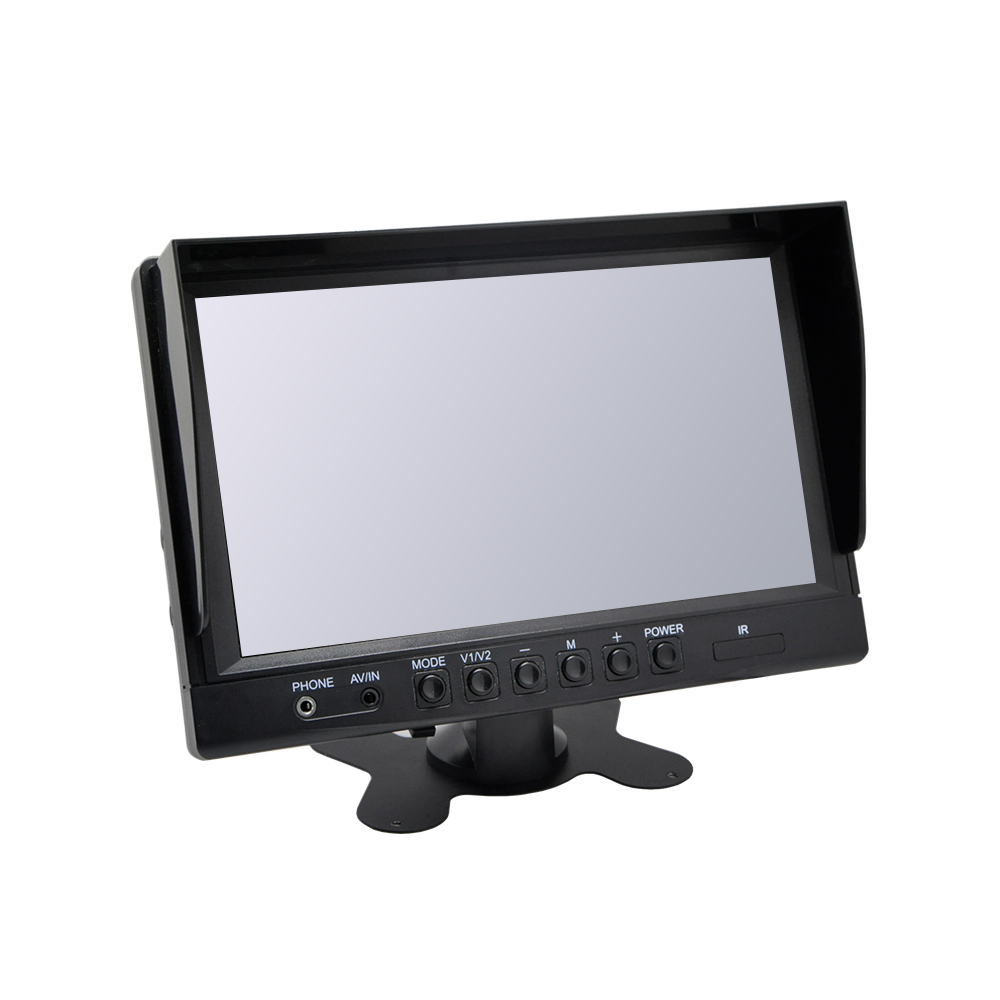
What Is Vehicle Surveillance and Why It Matters
Vehicle Surveillance refers to a complete monitoring system composed of high-definition cameras, sensors, display terminals, processing chips, and management software. It captures real-time video, vehicle status, driver behavior, and surrounding environment data to help fleet managers monitor operations, reduce accidents, resolve disputes, and optimize management.
Unlike traditional driving recorders, modern systems support multi-channel recording, night vision, wide-angle viewing, data storage, wireless transmission, and intelligent early warning. It is no longer just a “passive recording tool” but an “active safety system” that helps prevent dangers before they occur. MCY Technology’s solutions, for example, integrate advanced hardware and software to deliver reliable performance in all scenarios Vehicle Surveillance.
For fleet operators, the value of this technology lies in three core aspects: protecting drivers, passengers, and pedestrians; reducing accident rates and insurance costs; and improving operational efficiency and management transparency. Without a stable system, fleets face higher risks of blind-spot accidents, false liability claims, fuel waste, poor driver behavior, and difficulty in tracing responsibility after incidents. In contrast, well-deployed Vehicle Surveillance creates a safer, more standardized, and more controllable operating environment.
How Vehicle Surveillance Improves Road Safety
Safety is the top priority of any transportation business, and Vehicle Surveillance directly enhances safety from multiple dimensions. Industry data shows that fleets equipped with professional systems experience a 35% reduction in accident rates on average superscript:1, highlighting its critical role in risk mitigation.
First, these systems eliminate blind spots. Large vehicles such as trucks, buses, and engineering vehicles have inherent blind areas that traditional rearview mirrors cannot solve. A comprehensive system uses front, rear, left, right, and top-view cameras to provide 360-degree coverage, allowing drivers to see obstacles, pedestrians, non-motor vehicles, and road conditions that would otherwise be invisible. This is particularly important for large logistics trucks and public transport buses, where blind-spot accidents often result in serious consequences.
Second, they support driver status monitoring. Advanced systems detect fatigue, distraction, phone use, and not wearing seatbelts, issuing real-time voice alerts. This function significantly reduces accidents caused by human error, especially for long-distance logistics fleets where driver fatigue is a common risk. MCY’s solutions feature high-precision driver behavior detection, ensuring timely alerts to prevent dangerous situations.
Third, Vehicle Surveillance provides reliable video evidence. In the event of an accident, scratch, or dispute, clear video footage helps quickly determine liability, avoid unfair claims, and protect the legal rights of fleet enterprises. Many fleet managers report that such footage has helped them resolve disputes in days rather than weeks, saving time and legal costs.
Many regions and industries have begun to require mandatory installation of these systems for commercial vehicles, reflecting their irreplaceable role in road safety. This mandatory requirement also underscores why businesses cannot afford to overlook the value of high-quality monitoring solutions.
Vehicle Surveillance Boosts Fleet Operational Efficiency
Beyond safety, Vehicle Surveillance greatly improves operational efficiency for fleets of all sizes. For businesses operating in competitive industries like logistics and public transport, even small efficiency gains can translate to significant cost savings and competitive advantages.
With real-time positioning and monitoring functions, managers can view vehicle location, driving speed, route deviation, and stop duration at any time. This supports reasonable route planning, reduces empty mileage, lowers fuel consumption, and improves on-time delivery rates. For example, a logistics company in China reported a 15% reduction in fuel costs after implementing monitoring systems and optimizing routes based on real-time data.
High-quality products also feature stable performance, easy installation, and low maintenance costs. For enterprises managing dozens or even hundreds of vehicles, this reduces maintenance time and labor costs, allowing teams to focus on core business growth. MCY Technology’s systems are designed for easy installation and long-term stability, minimizing downtime and maintenance expenses Vehicle Surveillance.
In warehouse and logistics scenarios, forklift-specific systems assist with precise operation, obstacle avoidance, and pedestrian detection, improving handling efficiency while reducing collision risks. This is especially valuable in busy logistics parks and manufacturing factories, where even minor collisions can disrupt operations and cause costly damage.
By combining video monitoring with data analysis, these systems turn scattered driving information into structured management data, helping operators identify problems, optimize processes, and improve overall productivity. This data-driven approach to fleet management is becoming increasingly essential for businesses looking to stay competitive in 2025 and beyond.
AI Technology Upgrades Vehicle Surveillance to a New Level
Artificial intelligence is reshaping the future ofVehicle Surveillance. Traditional video surveillance relies on manual viewing, which is time-consuming and prone to human error, but AI-powered systems achieve automatic recognition, intelligent analysis, and proactive early warning.
Typical AI functions in modern systems include driver fatigue and distraction detection, blind spot monitoring and lane departure warning, pedestrian and vehicle recognition, automatic snapshot and event recording, and over-speed and abnormal behavior alerts. These intelligent functions reduce the pressure on drivers and managers, making monitoring more responsive and effective.
For example, AI-driven systems can detect when a driver is falling asleep or using a phone, issuing a voice alert to wake them up or remind them to focus on driving. They can also automatically record events such as sudden braking, collisions, or speeding, making it easier for managers to review incidents and take corrective action. With the continuous development of AI algorithms, the accuracy of recognition will further improve, and the application of Vehicle Surveillance will expand to more scenarios.
For enterprises pursuing long-term competitiveness, choosing AI-enabled systems means investing in future-proof technology that can adapt to evolving industry demands. As AI becomes more integrated into fleet management, businesses that adopt these advanced systems will gain a significant edge over competitors still using traditional monitoring solutions.
Key Features to Consider When Choosing Vehicle Surveillance
Selecting the right Vehicle Surveillance system requires evaluating multiple practical factors to ensure suitability, stability, and cost-effectiveness. With so many options available on the market, it is important to focus on features that align with your specific fleet needs.
First, image definition is critical. 1080P or higher resolution ensures clear details both day and night. Good night vision performance is essential for vehicles operating at night or in dim environments, as it ensures that video footage remains usable even in low-light conditions. MCY’s cameras feature high-definition imaging and advanced night vision technology, ensuring clear footage in all lighting conditions.
Second, stability and durability matter. Vehicle environments involve vibration, high temperature, low temperature, and humidity. Monitoring devices must be able to work continuously under harsh conditions without failure. Look for systems that are tested for durability and have a proven track record of reliability in real-world scenarios.
Third, system compatibility and scalability matter. The system should support multi-camera access, large-capacity storage, and convenient data export. It should also allow future function upgrades, so you can add new features as your fleet grows or industry requirements change.
Fourth, brand and after-sales support are important. Professional manufacturers provide better technical support, quality assurance, and customized services, which is crucial for long-term use. Choosing a reputable provider like MCY Technology ensures that you have access to ongoing support and maintenance for your system.
Finally, whether the supplier supports OEM/ODM customization is an important consideration for global customers. Flexible customization allows systems to match different vehicle types, market standards, and customer requirements, making it easier to integrate the system into your existing operations.
Vehicle Surveillance Reduces Operating Costs for Enterprises
Although investing in Vehicle Surveillance involves upfront costs, the long-term cost savings are significant. For many fleets, the return on investment (ROI) is achieved within 6 to 12 months, making these systems a cost-effective investment.
First, these systems reduce accident rates, thereby lowering maintenance costs, compensation fees, and insurance premiums. Many insurance companies offer discounted rates for fleets equipped with professional monitoring systems, as they are considered lower risk. In some cases, insurance premiums can be reduced by up to 20% for fleets with such systems.
Second, they curb bad driving habits such as speeding, rapid acceleration, and sudden braking, which reduces fuel consumption and mechanical wear. Studies show that fleets with monitoring systems experience a 10-15% reduction in fuel costs, as drivers are more likely to adopt fuel-efficient driving habits when they know they are being monitored.
Third, Vehicle Surveillance helps optimize management and reduce labor costs. Real-time monitoring reduces the need for manual inspections and improves overall management efficiency. Fleet managers can monitor multiple vehicles from a single platform, eliminating the need for on-site inspections and saving time and labor.
Fourth, video evidence avoids economic losses caused by false claims and malicious disputes. In many cases, complete footage directly ends disputes and saves time and legal costs. For example, a taxi company in a major city reported saving over $50,000 in legal fees and compensation claims in one year alone thanks to their monitoring systems.
For enterprises, these systems are not a cost burden but a high-return investment that creates continuous value. By reducing costs and improving efficiency, they help businesses improve their bottom line and achieve long-term growth.
Vehicle Surveillance Applications in Different Industries
Vehicle Surveillance has wide and mature applications across multiple industries, with each sector benefiting from tailored solutions that address their unique needs.
In logistics and transportation, monitoring systems monitor long-haul trucks, ensures cargo safety, optimizes routes, and manages driver behavior. For logistics companies, this means reduced cargo theft, improved on-time delivery, and better driver accountability.
In public transportation and school buses, these systems protect passenger safety, records in-vehicle conditions, and provides evidence for emergencies. School bus fleets, in particular, rely on monitoring solutions to ensure the safety of children, with features like passenger counting and emergency SOS alerts.
In taxi and online car-hailing services, monitoring systems safeguard both drivers and passengers, improving service trust and security. Passengers feel safer knowing that their ride is being monitored, while drivers are protected from false claims and potential harm.
In engineering vehicles and forklifts, these systems improve operational safety in complex environments and reduce collision risks. Forklift operators benefit from 360-degree visibility and obstacle detection, making it easier to navigate busy warehouses and construction sites.
In recreational vehicles, monitoring systems provide convenience and safety for travel, parking, and reversing. RV owners can use these systems to monitor their vehicle while camping or traveling, ensuring that it is secure and avoiding accidents while parking or reversing.
Different industries have different requirements, but all can benefit from customized solutions. Professional suppliers can design targeted systems based on vehicle type, usage scenario, and management needs, ensuring that the system delivers maximum value.
The Future Development Trend of Vehicle Surveillance
The future of Vehicle Surveillance will move toward higher intelligence, integration, and networking. As technology continues to advance, these systems will become more powerful and versatile, offering even greater value to fleet operators.
One key trend is the widespread adoption of higher-definition video, such as 4K, which will provide even clearer footage and more detailed data. This will make it easier to identify details like license plates, driver behavior, and surrounding objects, improving the effectiveness of monitoring systems.
Another trend is the further integration of AI algorithms, which will become more accurate and versatile. AI will be able to detect more complex behaviors and events, such as driver drowsiness, distracted driving, and even potential collisions, issuing more timely and accurate alerts.
These systems will also deeply integrate with ADAS (Advanced Driver Assistance Systems), automatic driving, and cloud platforms. This integration will create a seamless fleet management ecosystem, allowing managers to access real-time data, optimize routes, and monitor vehicles from anywhere in the world.
5G and wireless transmission will also play a key role in the future of monitoring technology, enabling real-time remote monitoring and data transmission. This will make it easier for fleet managers to monitor vehicles in real time, even in remote areas, and respond quickly to emergencies.
Finally, data security and privacy protection will become more standardized. As these systems collect more data, it will be increasingly important to ensure that this data is protected from cyber threats and that privacy is respected. Professional providers like MCY Technology are already incorporating advanced security features into their solutions to address these concerns.
As global requirements for vehicle safety increase, Vehicle Surveillance will become a standard configuration rather than an option. Enterprises that deploy advanced systems early will gain greater advantages in market competition.
Conclusion
Vehicle Surveillance is a core technology that improves safety, efficiency, and management level for modern fleets. It protects lives and property, reduces operating costs, provides data support, and helps enterprises operate more standardized and intelligently. In 2025, as the fleet management industry becomes more competitive and safety requirements become stricter, it will be an essential tool for businesses looking to succeed.
Whether for logistics, public transport, taxis, school buses, forklifts, or recreational vehicles, a reliable system brings long-term value. As a professional provider focusing on R&D, production, and sales of vehicle monitoring and automotive electronics, MCY Technology provides global customers with stable, high-performance, and customizable solutions through OEM/ODM services. With a focus on quality, innovation, and customer satisfaction, MCY Technology is committed to helping businesses around the world improve their fleet operations with cutting-edge monitoring technology.
If you want to enhance fleet safety, improve efficiency, reduce costs, and obtain a professional solution tailored to your needs, welcome to contact us. We will provide you with detailed product information, technical support, and customized solutions to help your business develop steadily and safely. Let’s work together to build a safer, more efficient future for your fleet.
FAQ About Vehicle Surveillance
What is Vehicle Surveillance?
Vehicle Surveillance is an integrated monitoring system used on vehicles, including cameras, displays, sensors, and processing units. It records video, monitors driving status, warns of dangers, and provides data support for fleet management. Unlike traditional driving recorders, modern systems are intelligent, offering features like real-time alerts and data analysis.
What are the main functions of Vehicle Surveillance?
Main functions include real-time video monitoring, driving record, night vision, blind spot monitoring, driver behavior detection, accident evidence recording, route tracking, and intelligent early warning. These functions work together to improve safety, efficiency, and management transparency for fleets.
Is Vehicle Surveillance only for large fleets?
No. It is suitable for all types of vehicles, from single commercial vehicles to large fleets with hundreds of cars. Solutions can be customized according to scale and demand, making it accessible and valuable for small businesses and individual vehicle owners as well.
Can Vehicle Surveillance work at night?
Yes. Professional systems are equipped with infrared night vision or low-light sensors to ensure clear imaging even in dark environments. This is essential for vehicles operating at night, such as long-haul trucks and taxis, as it ensures that video footage remains usable for accident investigation and monitoring.
Does Vehicle Surveillance support customized development?
Yes. Professional manufacturers like MCY Technology support OEM/ODM customization, including appearance, function, interface, and system integration, to meet different market and customer needs. This allows businesses to tailor systems to their specific vehicle types and operational requirements.
How long can Vehicle Surveillance store video?
Storage time depends on memory capacity, camera quantity, and resolution. Most systems support cyclic recording, which means that when the memory is full, new footage will overwrite the oldest footage. Storage time can range from a few days to several weeks, depending on the system configuration, and can be extended with additional storage devices.
Can Vehicle Surveillance reduce fleet costs?
Yes. It reduces accident rates, insurance costs, fuel consumption, maintenance expenses, and economic losses from disputes, creating obvious long-term savings. Many fleets report recouping their investment within 6 to 12 months, making it a cost-effective tool for businesses of all sizes.
Post time: Apr-02-2026